Use Cases

Browse the jobs robots do, from material handling and hospital delivery to weeding, welding and inspection, with the robots built for each task.

17 use cases

Material handling illustration

Material handling

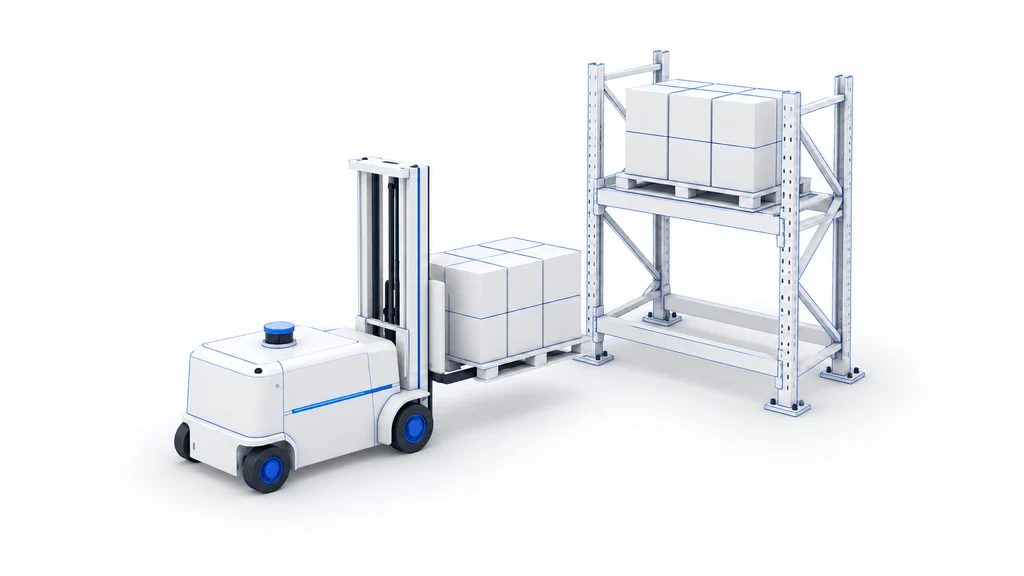
Material handling moves goods between receiving, storage, production, and shipping inside a facility, placing loads where the next step needs them, such as items picked into an order or boxes stacked on a pallet. Robots carry, lift, pick, and stack these loads on their own or alongside workers.
Surveillance and reconnaissance illustration

Surveillance and reconnaissance

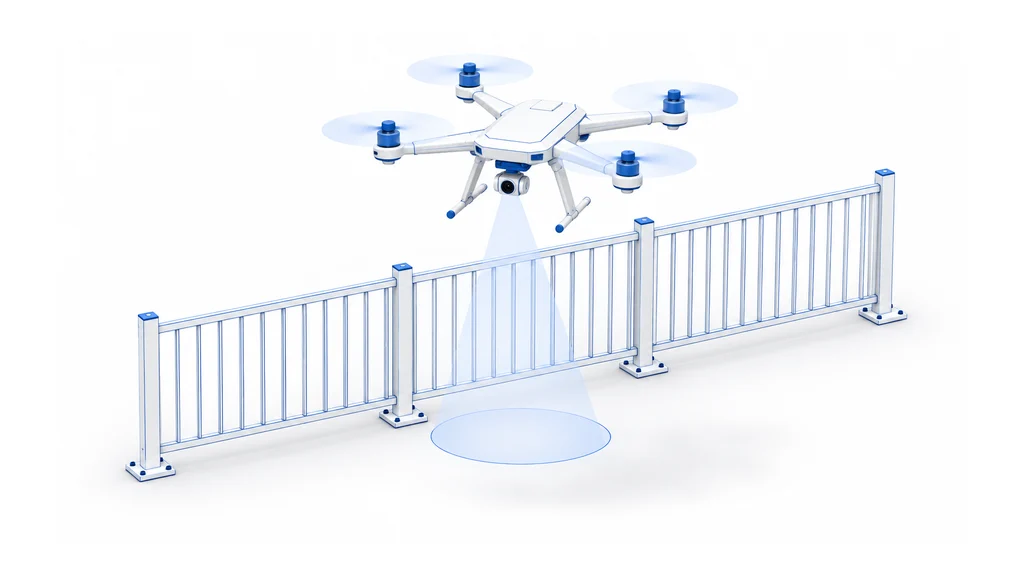
Surveillance and reconnaissance is the ongoing watch over an area, route, vessel, or person to find and record people, vehicles, or hazards of interest. Robots fly, drive, float, or dive to watch the area, capture images and sensor data, and send them to an operator who decides what to do next.

Underwater and marine inspection illustration

Underwater and marine inspection

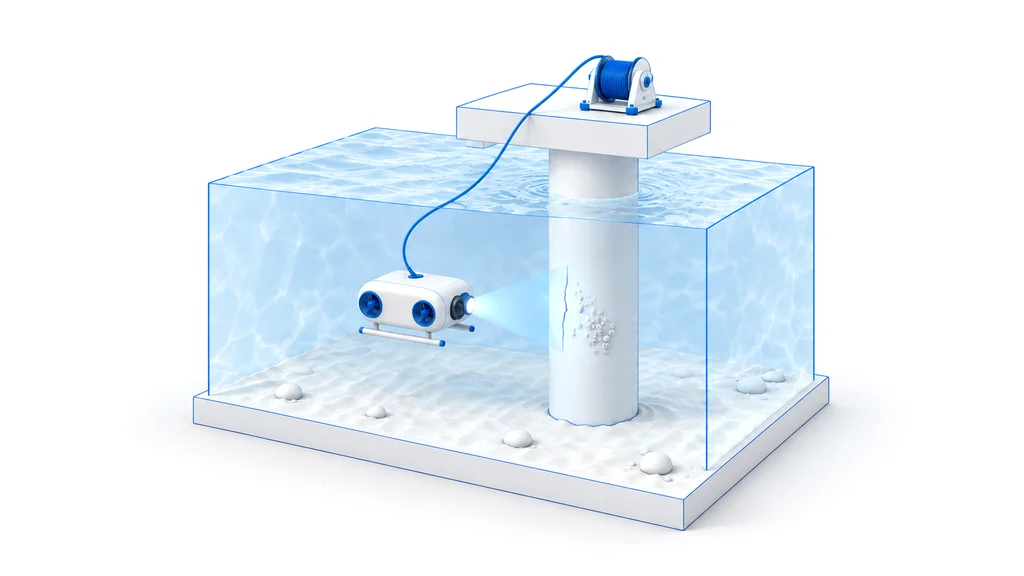
Underwater and marine inspection checks the condition of ship hulls, pipelines, dams, and port structures that sit in or under water. Robots swim, hover, or ride tethers along these structures with cameras and sonar to record cracks, corrosion, and other damage without sending divers down.

Inspection illustration

Inspection

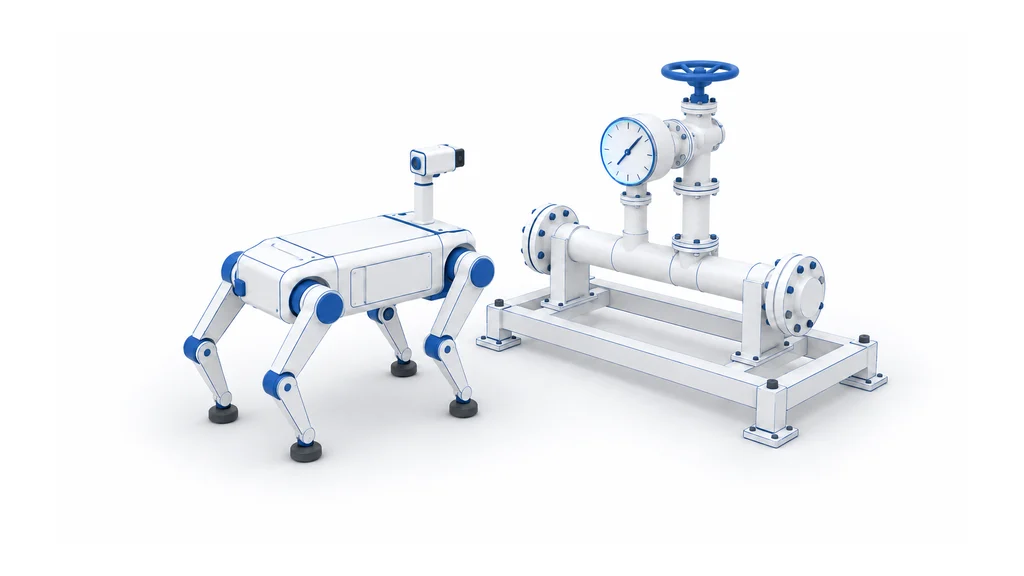
Inspection checks equipment, structures, and sites for damage, leaks, corrosion, or other faults before they turn into failures. Robots carry cameras and sensors into plants, towers, pipelines, and hazardous spaces so people don't have to climb, crawl, or enter danger themselves.

Land surveying and mapping illustration

Land surveying and mapping

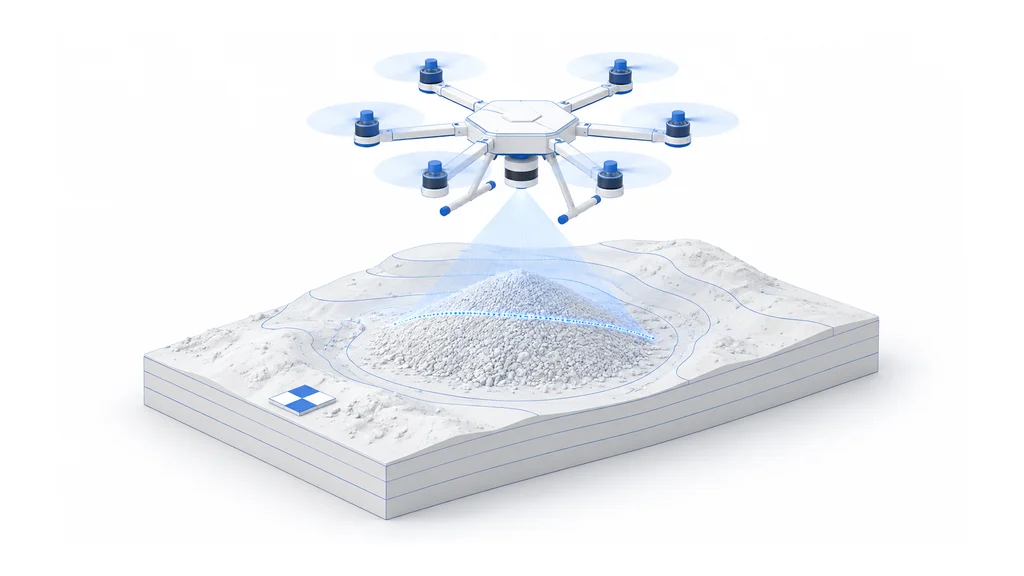
Land surveying and mapping turns a site's shape, boundaries, and features into an accurate map, 3D model, or volume report. Drones and ground robots fly or roll over the land, capturing images and laser scans that are processed into these finished survey products.

Machine tending illustration

Machine tending

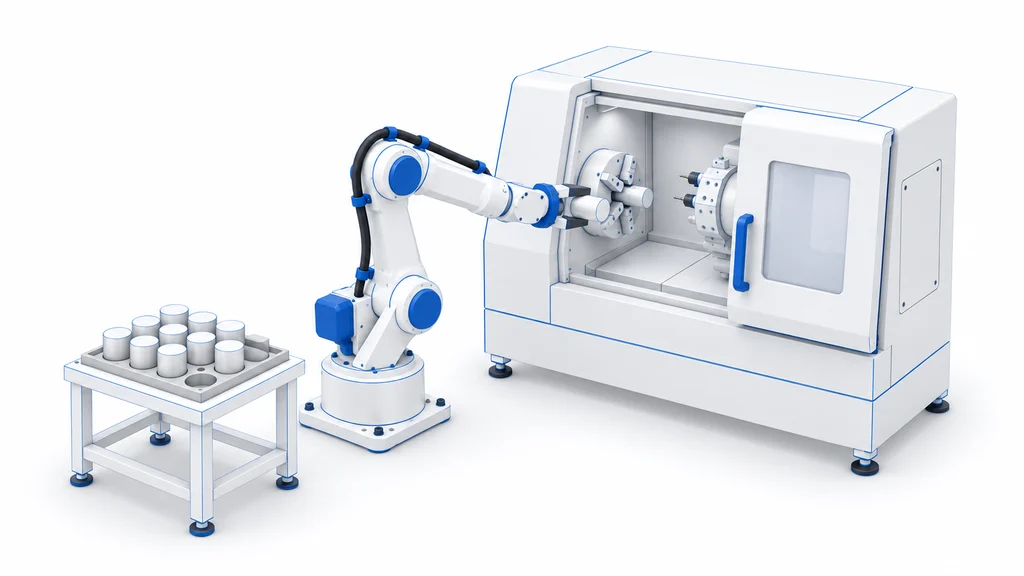
Machine tending loads raw material into a production machine and removes the finished part so the next cycle can start. Robots take over this load-and-unload work so machines can keep running through a shift without a person standing by.

Assembly illustration

Assembly

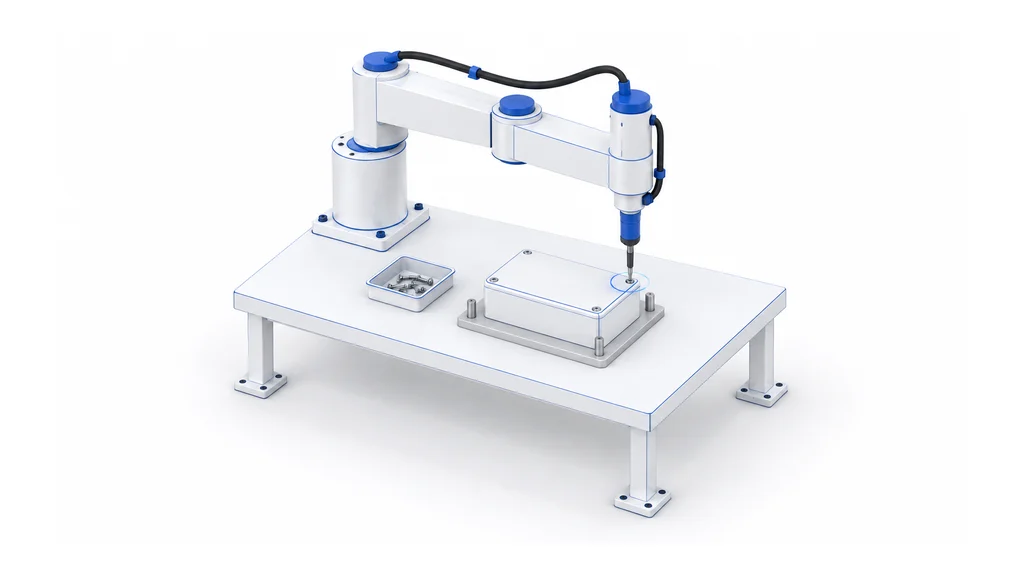
Assembly joins separate parts into a finished product or subassembly, fitting and fastening each piece to a build specification. Robotic arms pick, place, and fasten parts, while dual-arm and humanoid robots handle steps that need two hands working together.

Pipe inspection illustration

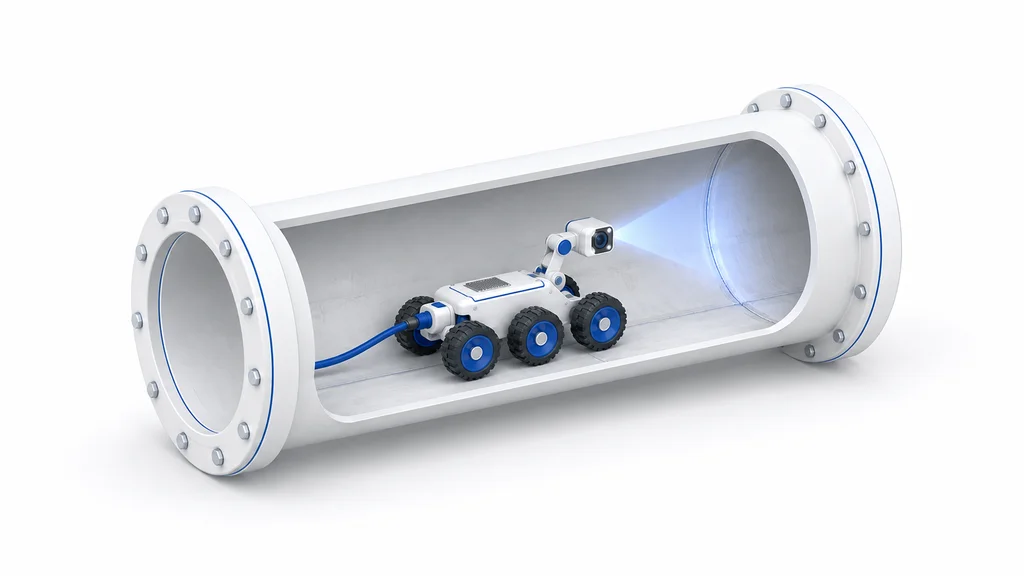
Pipe inspection

Pipe inspection sends a camera or sensor through the inside of a pipe, duct, or culvert to find and record defects. Robots crawl, swim, climb, or fly to reach places people cannot easily enter and bring back pictures and measurements of what they find.

Home cleaning illustration

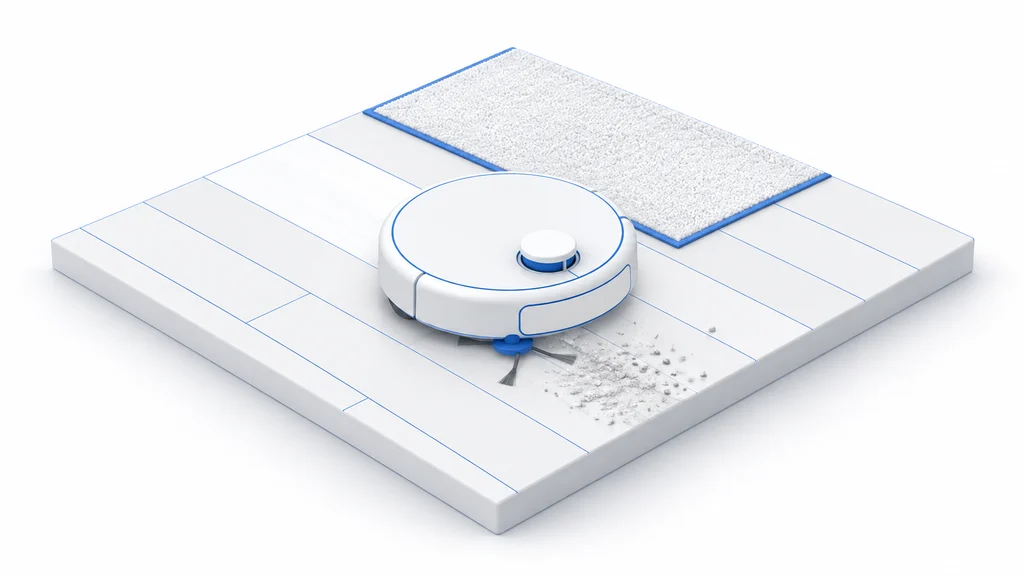
Home cleaning

Home cleaning covers vacuuming, mopping, and tidying a home's floors and surfaces so they are visibly clean, dry, and free of debris. Robots in this use case roll through rooms to vacuum and mop floors, or use arms to collect dishes and trash and wipe surfaces.

Site inspection illustration

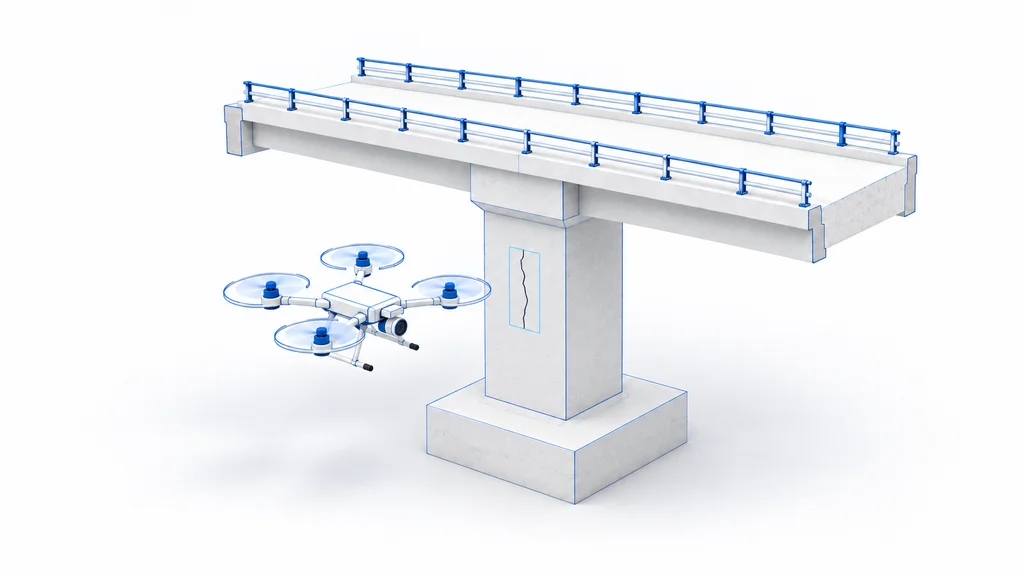
Site inspection

Site inspection sends a robot to examine a structure, piece of equipment, or stretch of terrain for damage, wear, or hazards, producing a record that people use to decide what needs fixing or avoiding.

Weeding illustration

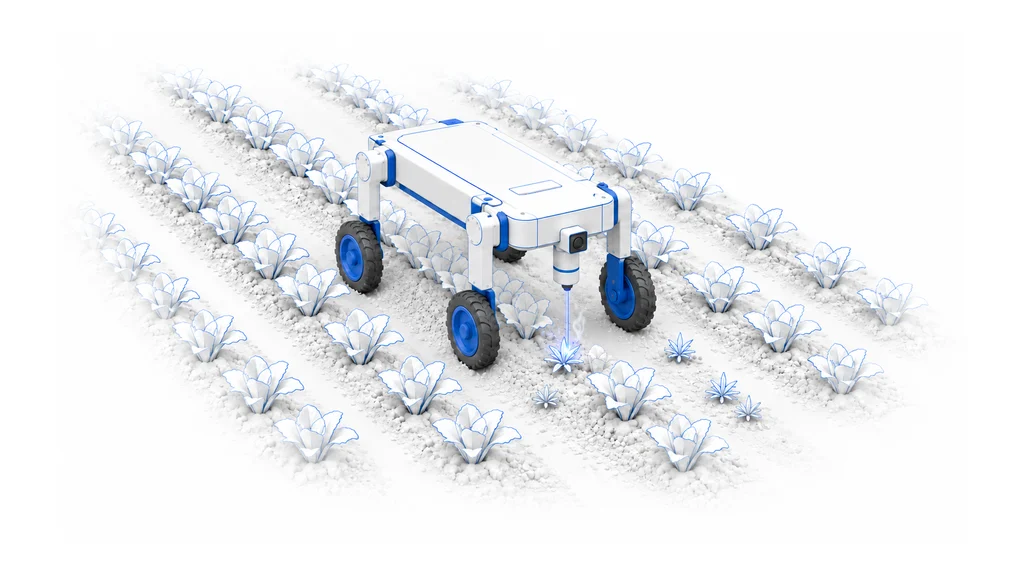
Weeding

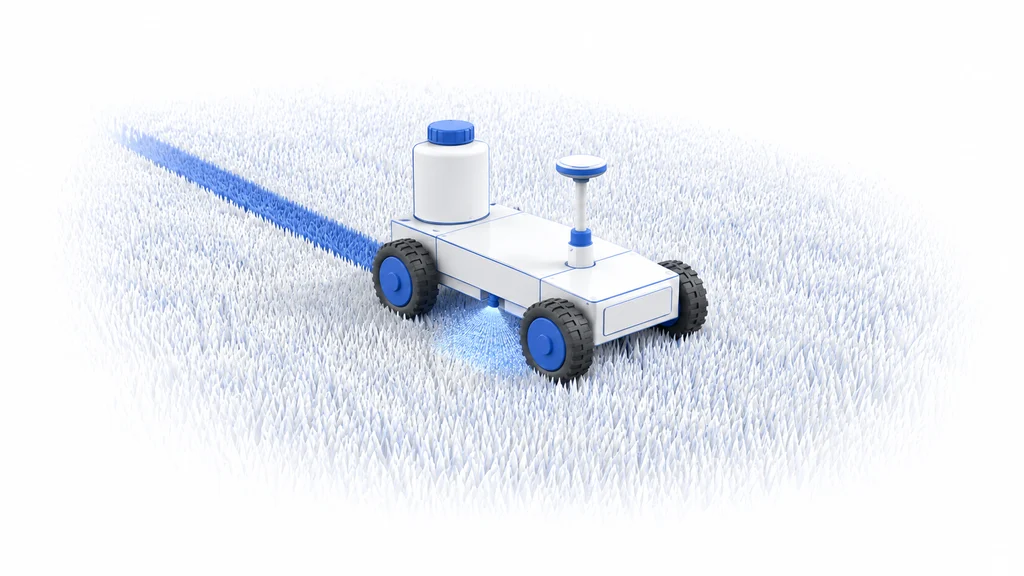
Weeding removes unwanted plants from a growing crop so the crop gets the light, water and nutrients it needs. Robots do this with lasers, vision-guided blades, mechanical strikers or targeted spraying, while a person drives or supervises or the machine works the field on its own.

Welding illustration

Welding

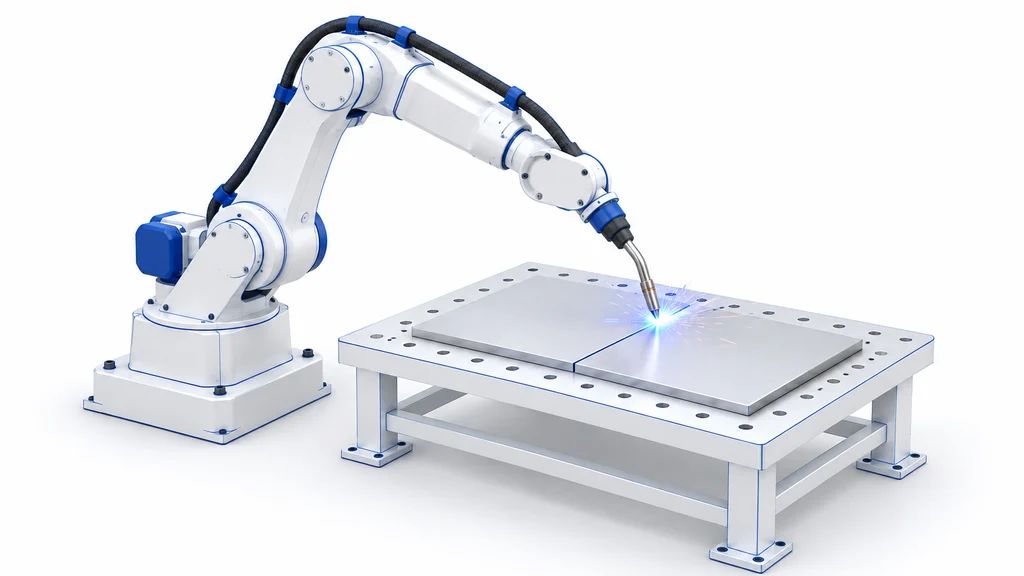
Welding joins metal parts by melting and fusing them into one piece, and robots run spot welds, seam welds, and fillet welds on production lines and in fabrication shops.

Food packaging illustration

Food packaging

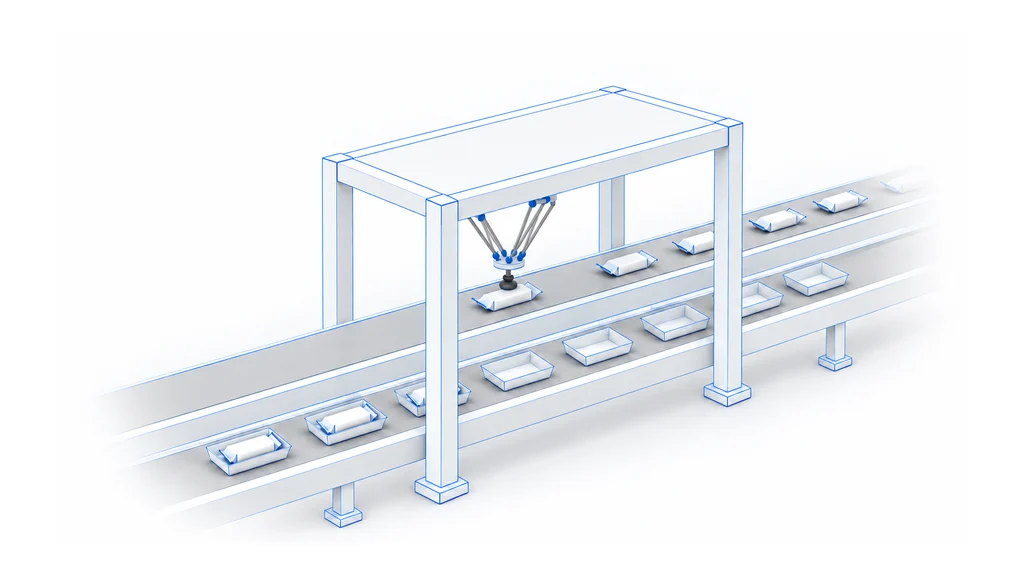
Food packaging is filling cases, cartons, trays and bags with finished food products and sealing them for shipment. Robots pick, place, fill and seal these containers on packaging lines.

Mowing illustration

Mowing

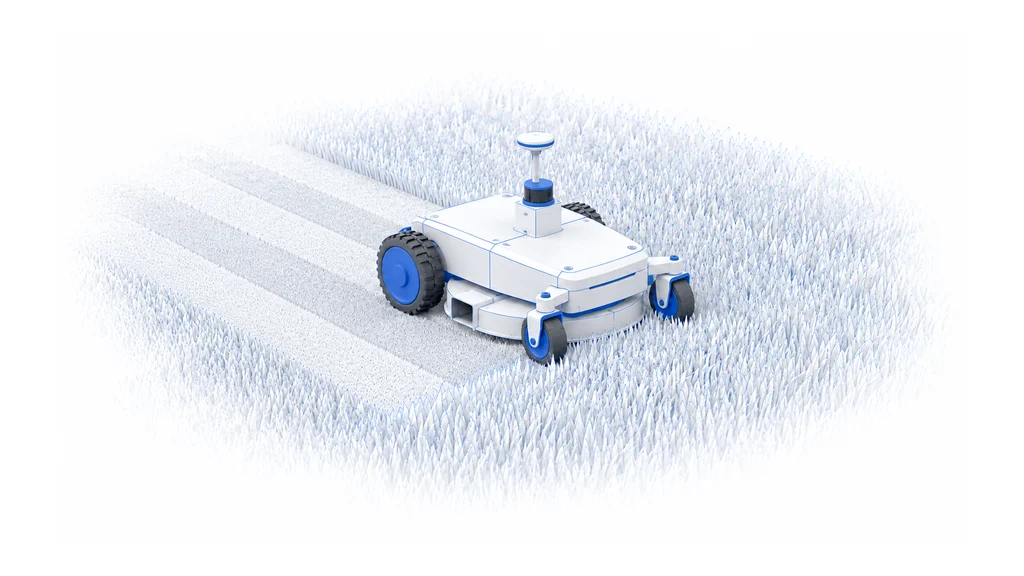
Mowing cuts grass and other turf to a set height across lawns, fields, fairways, and farmland. Robots drive over the ground on their own or under remote control, cutting evenly while avoiding obstacles.

Last-mile delivery illustration

Last-mile delivery

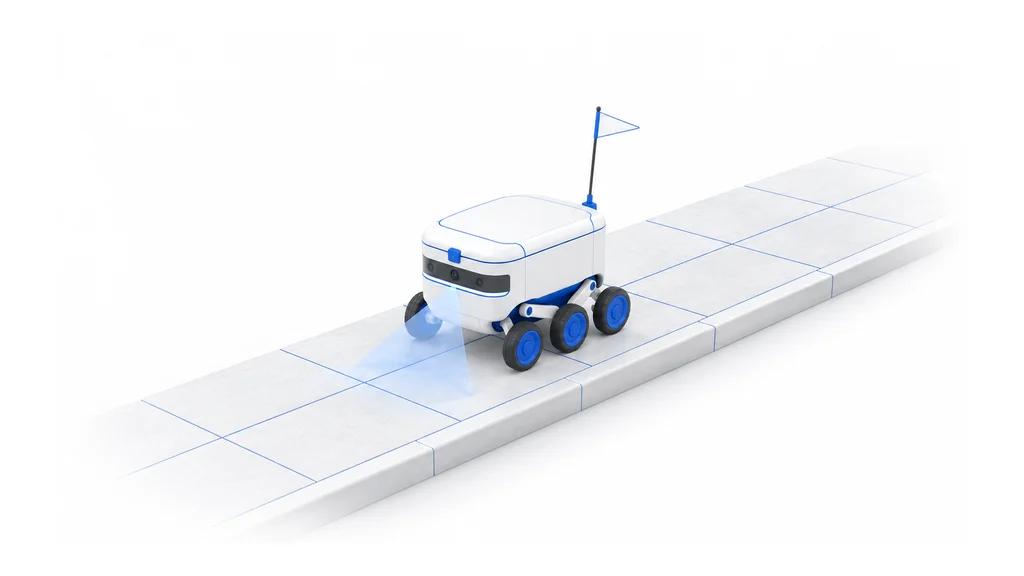
Last-mile delivery moves a single order from a nearby store, kitchen, or depot to the person who ordered it, the final and shortest leg of a shipment. Wheeled robots, driverless vehicles, drones, and indoor delivery robots carry the order itself and hand it over with little or no human help.

Line marking illustration

Line marking

Line marking paints or marks straight lines and layout points on roads, floors, and sports fields so they guide later work. Robots spray paint or place marks using GPS, satellite positioning, or digital plans, while a person drives, calibrates, or supervises them.

Hospital delivery illustration

Hospital delivery

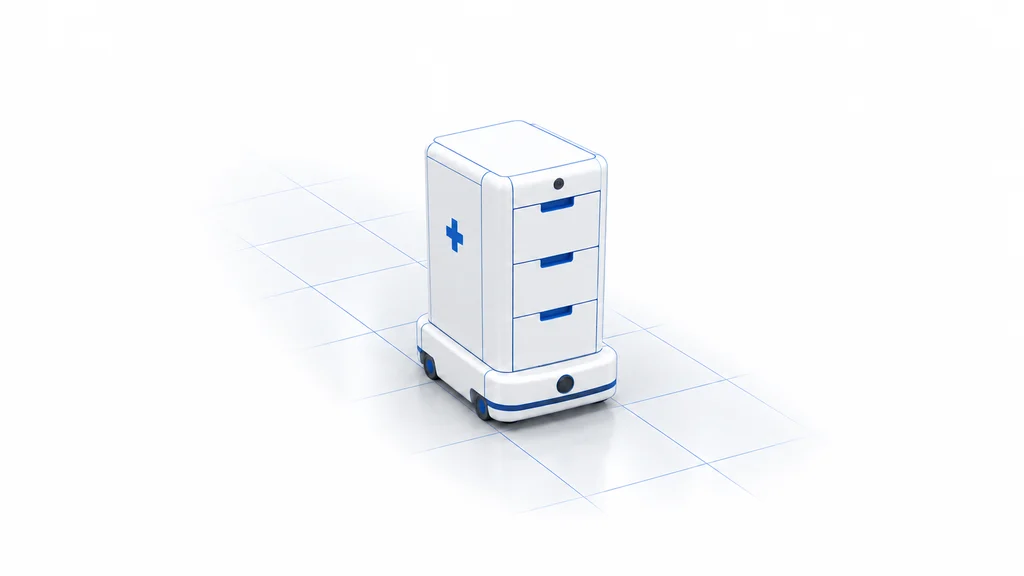
Hospital delivery moves meals, medicines, lab samples, linens and other supplies between departments and patient floors. Robots carry these loads through hallways, elevators and doors so that staff spend less time walking and more time with patients.