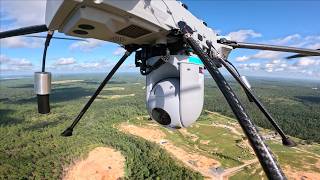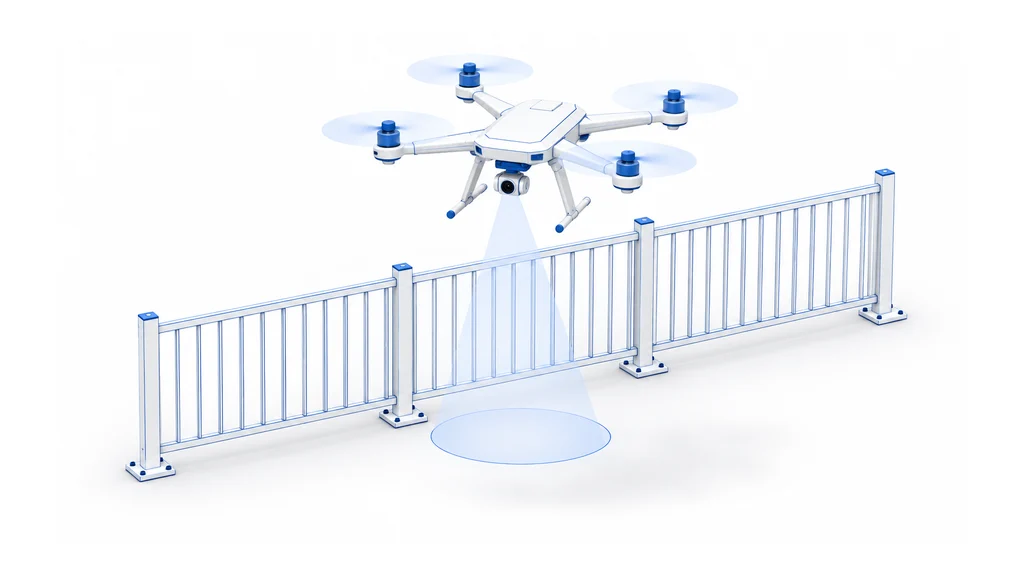
What is surveillance and reconnaissance?
Surveillance and reconnaissance is the job of watching a place, route, vessel, or person over time and producing a record of what is there: who or what moved through an area, where a hazard sits, or what a target looks like from different angles. The record can be a live video feed, a set of timestamped photographs, a thermal image showing a heat source, a GPS track of a moving object, or a short written report built from sensor readings. A finished result has to answer the question the mission set out to answer, within the time the mission allows, and at a resolution good enough to identify the person, vehicle, or object in question.
Surveillance differs from reconnaissance mainly in how long the watch lasts: surveillance is a standing watch over a fixed area, such as a perimeter or stretch of coast, while reconnaissance is a single pass through a specific place to learn what is there before people go in. Both tasks often call for the watcher to stay unseen or stay at a safe distance, and both may have to work where normal navigation aids such as GPS or radio links do not reach.
Before robots took on this work, people carried out watches on foot, from vehicles, aircraft, or boats, or set up fixed cameras. That still happens, but it puts people in harm's way or ties them to one spot for hours. The task today increasingly asks for coverage that lasts longer than a human shift, reaches places a person cannot safely enter, or covers ground too large for a few patrols to watch at once, while still delivering a record that a person can review and act on.