What is welding?
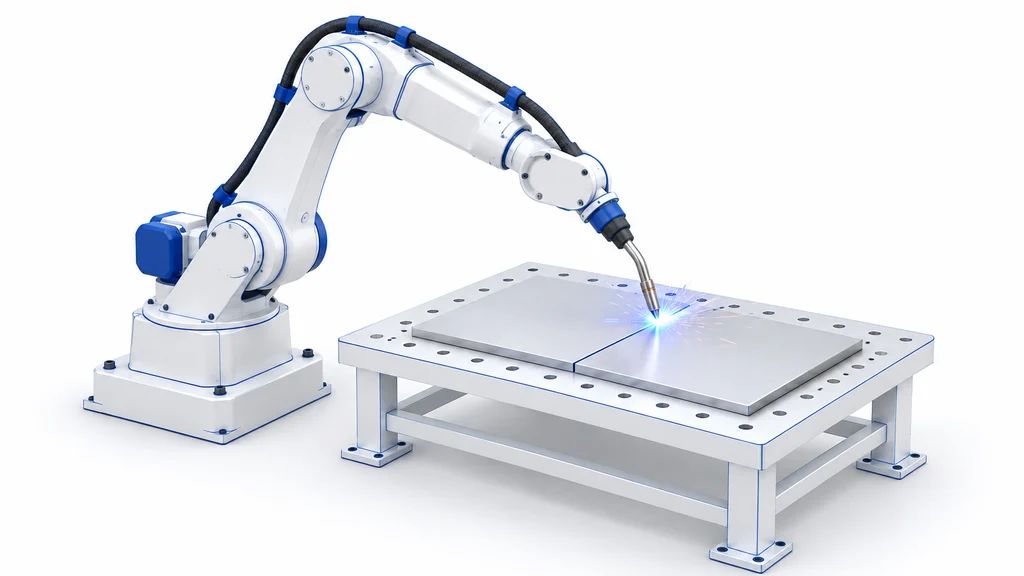
Welding joins two or more pieces of metal by melting their edges, with or without added filler metal, so they fuse into one solid piece as they cool. The task covers spot welds, which join overlapping sheet metal at single points, and seam or fillet welds, which run a continuous bead along a joint between thicker plates.
A finished weld must meet the size and shape called for in the job's drawing, such as a single-pass fillet a quarter inch deep or a multi-pass fillet up to half an inch deep. It must penetrate fully into the base metal without gaps, cracks, or trapped gas pockets, and it must hold the parts in true alignment. Shops check finished welds by eye, by measuring the bead, or by cutting a sample to inspect the cross-section; critical welds, such as those on vehicle frames or pressure equipment, follow a written welding procedure and get checked against it.
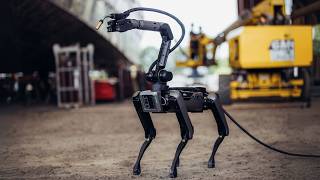
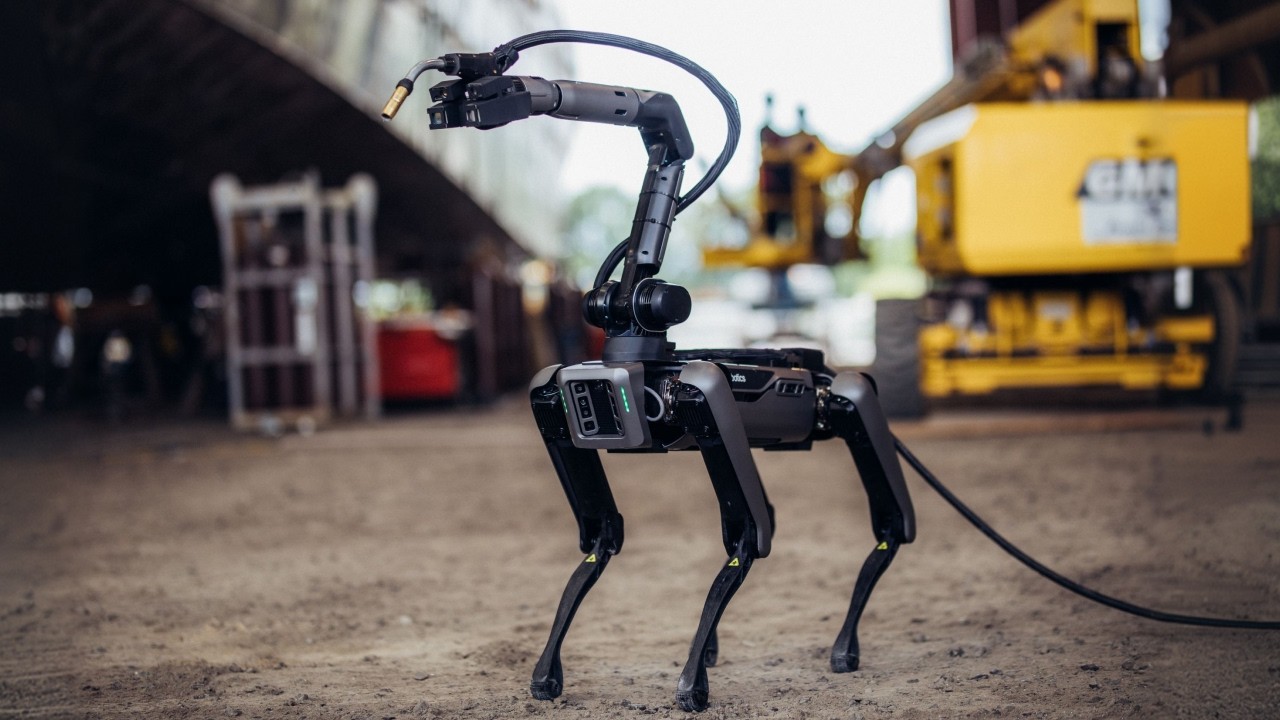
Before welding starts, parts must be clean, cut to size, and clamped or fixtured in the right position, since any gap or misalignment changes how the weld forms. Current practice ranges from a trained welder manually running a torch along a joint to a fixed production line where parts move past a welding station on a timed cycle.