What is site inspection?
Site inspection is the work of examining a structure, piece of equipment, or stretch of land to find damage, wear, or hazards before they cause harm. The object of work can be a building wall, a pipeline, a ship's hull underwater, a coastline, or a construction site mid-build. The finished result is a record: photographs, video, measurements, or a written log that notes each defect's location and severity, graded against a safety code, a maintenance plan, or a client's acceptance standard.
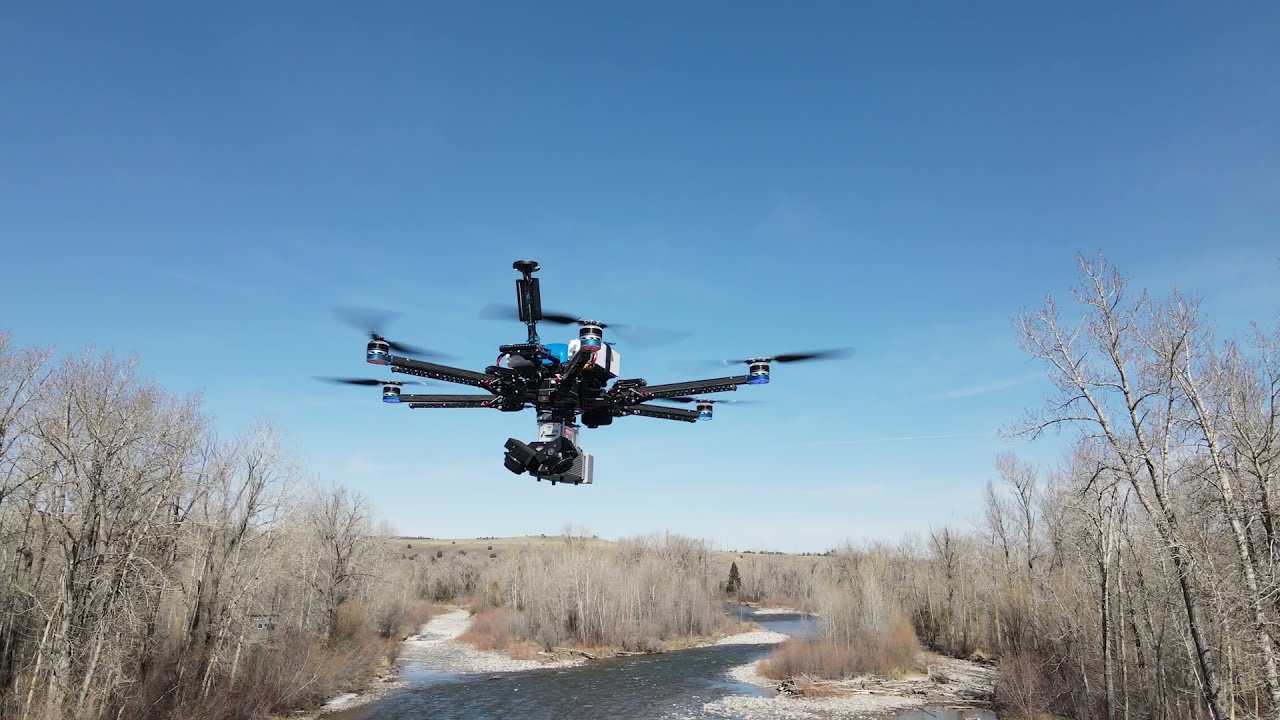
Inspectors traditionally walk, climb, or dive to reach the area, carry handheld cameras, gauges, or gas detectors, and write up findings afterward. Some sites demand special access, such as confined spaces, heights, rough terrain, or open water, which slows the work and adds risk to the person doing it. A finished inspection must cover every area the client specifies, flag any defect that falls outside the agreed threshold, and hand over data in a form the client can act on, whether that is a repair order, a compliance certificate, or a decision on whether to keep something running.
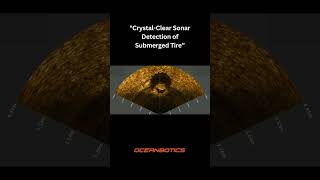
Current practice mixes visual checks with instrument readings: thickness gauges on pipes and tanks, thermal cameras for heat loss or electrical faults, and video or sonar for underwater structures. Reports usually follow a template that lists each finding with a photo, a location, and a severity grade, so that whoever reads the record next, whether an engineer, an insurer, or a regulator, can decide what needs attention first and how urgently.