What is assembly?
Assembly is the work of combining separate parts into one finished product or subassembly. A job starts with parts staged in the order a build calls for, often already sequenced by part number or build stage, and ends when every part is fitted, fastened, or joined in the correct place and orientation. A finished assembly has to match the build specification: each part seated fully, each fastener driven to the stated torque, each joint free to move where it should, and no part left out, doubled up, or installed backward. Many assembly jobs include a check step, such as confirming a connector clicks into place, a cable is routed correctly, or a screw count matches the drawing, before the unit moves on to the next station or ships.
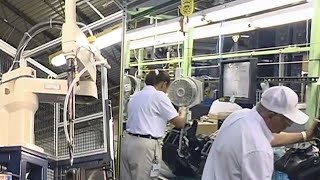
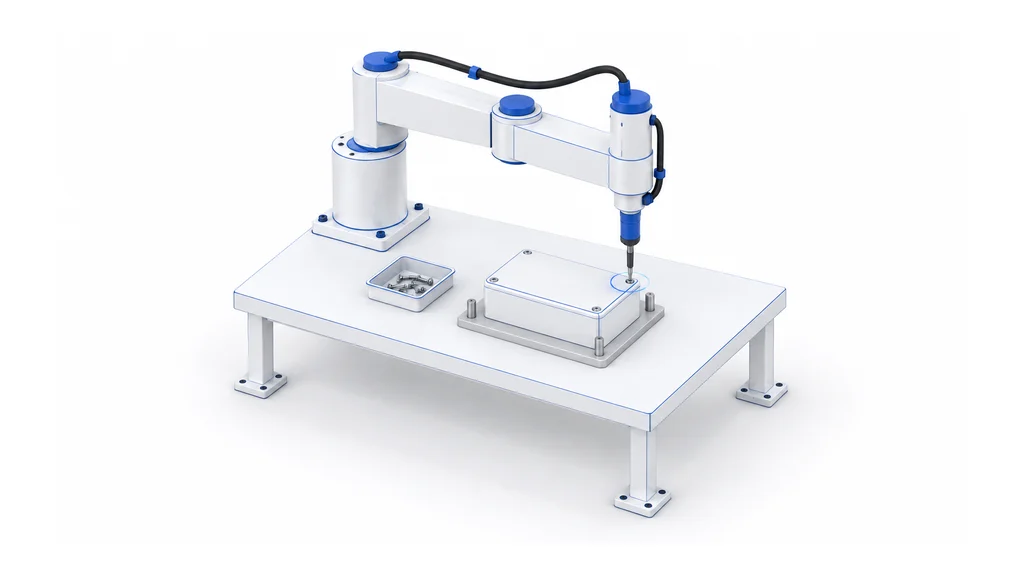
On many production lines, people still assemble by hand at fixed stations, using jigs, fixtures, and hand tools to hold parts steady while they fit and fasten them. Lines run at a set pace, so each station has to finish its part of the job within a fixed number of seconds before the next unit arrives. Some steps, like driving screws into a housing or placing a small component on a circuit board, are already automated in many factories, while other steps, especially ones that need a person to judge fit or feel resistance, are still done by hand. Finished goods range from a car body with hundreds of fasteners to a small electronic device with components smaller than a fingernail.