What is sidewalk delivery?
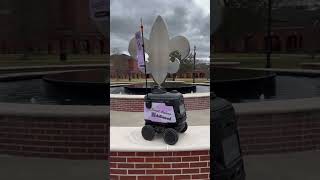
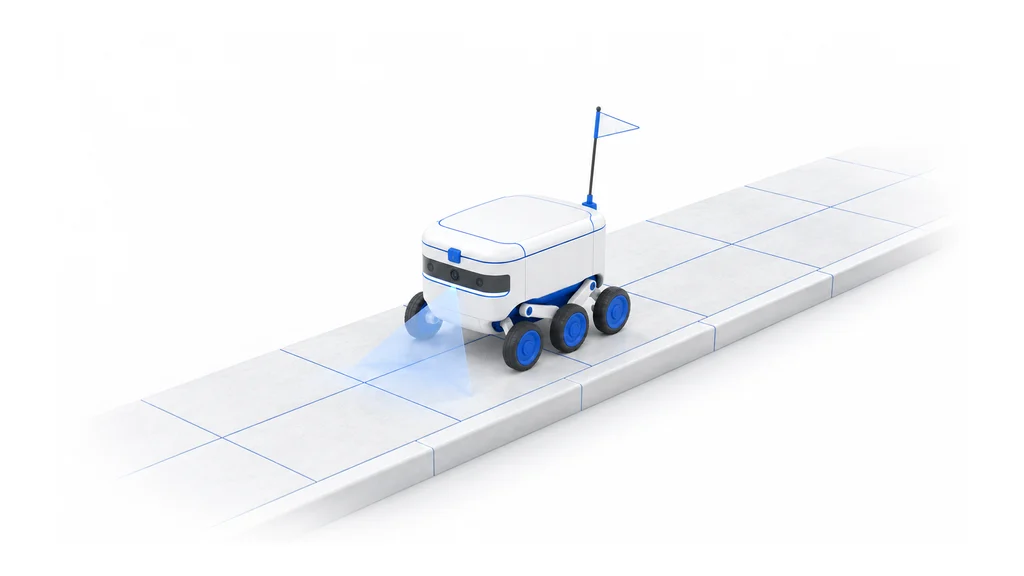
Sidewalk delivery automates the last-mile stretch for small parcel, grocery, and restaurant orders. Operating along pedestrian sidewalks rather than roadways, autonomous delivery devices carry items directly from local storefronts to customers within a 2-mile radius. Deliveries arrive in secure, insulated compartments that customers unlock using their smartphones within promised time windows.
Today, human couriers on foot, bikes, scooters, or in cars manage this last-mile journey. On college campuses and in high-density urban areas, order volume is high while travel distances are short. Automated devices solve the inefficiency of paying dedicated human drivers to move single, small orders short distances while spending billable time waiting at pickup counters.
Regulatory frameworks across different jurisdictions ultimately govern where delivery robots can operate. Laws typically classify these devices similarly to pedestrians, enforcing strict sidewalk speed caps and restricting street access to low-speed urban roadways. Because operating boundaries, weight allowances, and permit requirements vary significantly by region, local rules determine a robot's commercial service area as much as its technical capabilities.